Przejdź do treści

Koszyk

Twój koszyk jest pusty

Shop Bestsellers

Artykuł: How to Remove Coffee Stains from Clothes

How to Remove Coffee Stains from Clothes

How to Remove Coffee Stains from Clothes

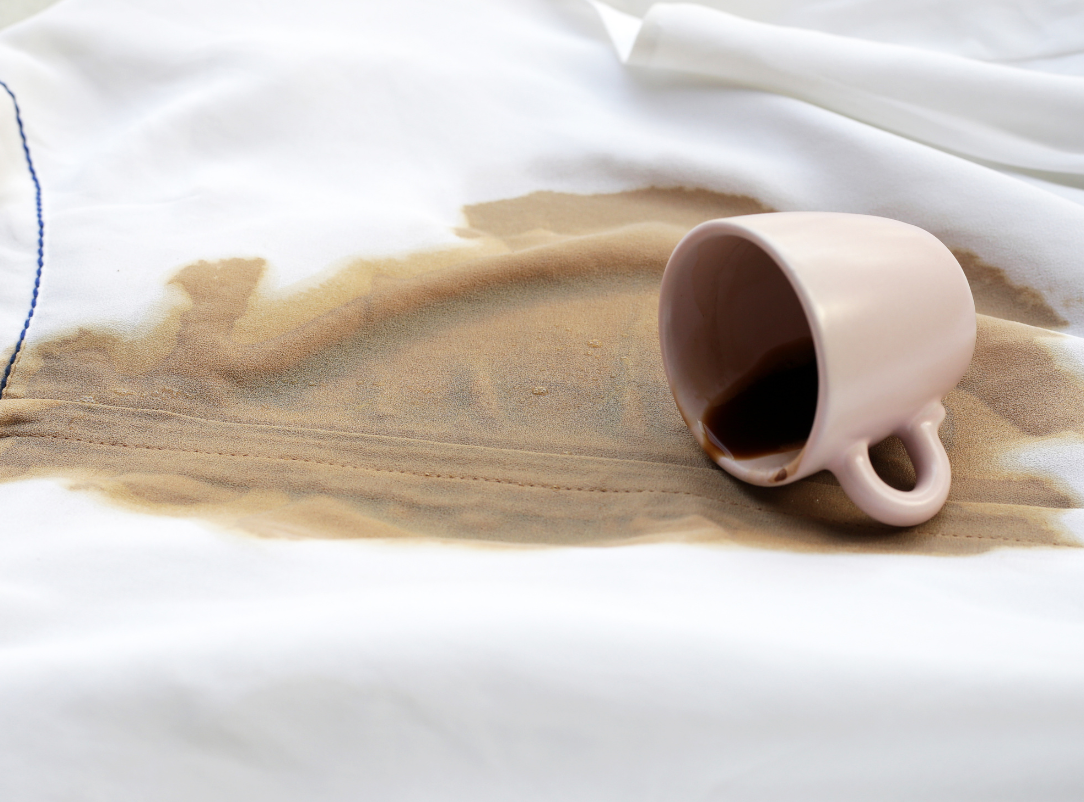
Coffee stains every morning person eventually. The good news: tannins yield to the right sequence. Here is exactly what to do - for every coffee order, every fabric type.

"A coffee stain is not a ruined shirt. It is an untreated coffee stain. There is a meaningful difference - and it comes down entirely to what you do in the next three minutes."

Coffee stains for the same reason red wine does: tannins. These naturally occurring polyphenols bond aggressively to fabric fibres, and they do it fast. Black coffee is the simplest version of the problem. Coffee with milk adds protein from the dairy - which sets under heat and requires enzyme treatment to break down. Coffee with sugar adds a sticky residue that traps pigment deeper in the weave. The method varies slightly depending on what was in the cup. Here is how to handle all of it.

Black Coffee, Milk Coffee, or Iced - It Changes the Treatment

The core sequence is the same for all coffee stains - but the pre-treatment step varies depending on what was in the cup. Understanding why makes each treatment make sense.

Black coffee
Tannins only
The simplest version. Cold water flush + dish soap or vinegar pre-treatment + Aromiq™ cold wash handles it cleanly.
Coffee with milk
Tannins + protein
Dairy protein sets under heat. Cold water only - always. Aromiq™'s protease enzyme targets milk protein specifically in the wash cycle.
 
Coffee with sugar or syrup
Tannins + sugar residue
Sugar creates a sticky layer that traps pigment deeper in the weave. Flush thoroughly before pre-treating - the sugar needs to come out first.


01
Blot Immediately - Never Rub

The moment coffee makes contact with fabric, the tannins begin binding to fibres. Act immediately. Use a clean white cloth, paper towel, or napkin - coloured cloths risk transferring their own dye onto the wet fabric. Blot firmly from the outside of the stain inward, lifting as much liquid as possible before it can penetrate deeper.
Rubbing spreads the stain and drives it into the fibre structure simultaneously - what starts as a splash becomes a smear. Blot only. The goal at this stage is to remove as much free liquid as possible before the tannins have time to bond.
If you're away from home when the spill happens, blot thoroughly with whatever is available and keep the stain damp until you can treat it properly. A dry coffee stain is significantly harder to remove than a fresh one - if you can't treat it immediately, a few drops of cold water from a glass keeps the pigment in suspension until you can.
02
Flush with Cold Water from the Back

Take the garment to a tap and run cold water through the back of the stain pushing the pigment out the direction it came in rather than forcing it further through the fabric. Hold the fabric so the stained side faces down and the water runs through the reverse side. This is one of the most consistently overlooked steps in stain treatment, and one of the most effective.
Cold water only - throughout every stage of coffee stain treatment. Hot water denatures the protein in milk coffee and causes tannin compounds to bond permanently to fabric fibres, setting the stain in a way that no subsequent treatment can fully reverse. Even warm water at this stage is a risk not worth taking.
The milk coffee distinction
If the coffee contained milk - a latte, flat white, cappuccino, or any dairy-based drink - the cold water rule is even more critical. Milk contains casein proteins that coagulate under heat, binding permanently to fabric. A hot rinse turns a treatable coffee-and-milk stain into a set protein stain within seconds. Cold water keeps the proteins in solution where Aromiq™'s protease enzyme can reach and dismantle them in the wash.
03
Pre-Treat Before the Machine

After the cold water flush, pre-treat the remaining stain before loading the machine. Coffee stains respond well to several household options - choose based on what you have available and the fabric type.
Dish soap - the most widely available and consistently effective option. Apply a small amount directly to the damp stain, work in gently with fingertips, and leave for five minutes before rinsing cold. The surfactants in dish soap break the bond between tannin pigments and fabric fibres effectively on most everyday fabrics.
White vinegar - particularly effective on coffee because vinegar's acidity counteracts the tannin compounds directly. Mix equal parts white vinegar and cold water, apply to the stain, and leave for five to ten minutes. Rinse cold before washing. For coffee-with-sugar stains, the vinegar solution also dissolves the sticky sugar residue that traps pigment in the weave.
Bicarbonate of soda paste - mix with a small amount of cold water to form a thick paste, apply to the stain, and leave for ten minutes. Effective on cotton and linen for any coffee type. Rinse cold before washing.
For a set or dried coffee stain
Re-wet the stain with cold water first to rehydrate the tannin compounds. Then apply a solution of one part white vinegar, one part cold water, and a few drops of dish soap. Leave for fifteen to twenty minutes - longer than a fresh stain needs - before rinsing and washing. Rubbing alcohol applied with a clean cloth before this treatment can help loosen particularly stubborn dried staining. Repeat the full cycle if residue remains after the first wash.
04
Wash Cold with an Aromiq™ Pod

Pod in the empty drum first. Garment on top. Cold wash. Aromiq™'s 8× bio-enzyme formula brings three relevant enzymes to a coffee stain: protease breaks down the milk protein in dairy-based coffees; amylase targets the sugar and syrup residue in sweetened coffees; and tannase - present in Aromiq™'s enzyme blend - specifically targets tannin compounds, the primary pigment source in all coffee. Together they dismantle the stain chemistry at a molecular level, reaching what the pre-treatment has loosened but not fully cleared.
Cold wash throughout. Aromiq™'s enzyme formula performs completely at low temperatures - there is no cleaning advantage to warm or hot water, and significant risk to both the fabric and the stain treatment if heat is introduced before the stain is confirmed clear.
Why Aromiq™ outperforms standard detergents on coffee
Most standard detergents rely primarily on surfactants - compounds that lift surface-level staining but can't break down the tannin-fibre bonds that make coffee so persistent. Aromiq™'s enzyme formula targets the specific chemistry of coffee staining: tannase for the tannins, protease for the milk protein, amylase for the sugar. It is the closest thing to a purpose-built coffee stain treatment available in an everyday laundry pod.
05
Check Before Drying - Never Dry a Set Stain

Inspect the garment in natural daylight before it goes near any heat source. A faint coffee stain that's invisible under artificial light becomes permanently fixed once it goes through a dryer - heat polymerises the remaining tannin compounds into the fabric in a way that no subsequent wash can fully reverse
.
If the stain is gone: dry normally, ideally by air. If any trace remains: repeat the pre-treatment and cold wash cycle before drying. Coffee stains that survive a correctly treated first wash almost always clear completely in a second cycle - the first treatment loosens the bond, the second removes what's left.
If air drying in sunlight, place the stained area away from direct UV exposure until you're certain the stain is fully gone. UV light can fade some fabric dyes unevenly around a stain area, creating a halo effect that's harder to address than the original stain.

Adapting the Method for Different Fabrics

Cotton and linen
Most forgiving fabric for coffee stains. Follow the full sequence without modification. All three pre-treatment options - dish soap, vinegar, or bicarbonate paste are safe on cotton and linen.
Denim
Dense weave traps tannins quickly. Treat immediately. Follow the full sequence, wash inside out on cold, and air dry to preserve colour. Vinegar pre-treatment works particularly well on denim.
Silk
Blot only - no rubbing. Flush gently with cold water from the back. Hand wash in cold water with the smallest possible amount of mild detergent worked in gently. No heat, no vigorous rubbing, ever.
Wool and cashmere
Blot, cold flush from the back, gentle dish soap pre-treatment only. Hand wash in cold water with minimal agitation. Lay flat to dry. Never machine wash wool on a standard cycle - the agitation felts the fibre permanently.
Synthetic blends
Follow the full sequence. Dish soap or diluted vinegar pre-treatment works well on synthetics. Air dry - tumble drying synthetics at heat degrades both the fibre and any remaining fragrance bond simultaneously.
White cotton
White cotton tolerates stronger treatment. If residual staining remains after the first wash, apply a paste of bicarbonate of soda and hydrogen peroxide (3:1), leave for thirty minutes, rinse cold, then wash again. Never chlorine bleach - it yellows white cotton over time.
What never to do with a coffee stain
  • Never rub the stain. It spreads the tannin pigment and drives it deeper simultaneously.
  • Never use hot water. Heat sets tannin bonds and denatures milk protein permanently. Cold only, at every stage.
  • Never dry before confirming the stain is gone. Heat fixes whatever pigment remains beyond recovery.
  • Never use a coloured cloth to blot. Dye from coloured fabric can transfer onto a wet stain and compound the problem.
  • Never leave it to deal with later. A three-minute delay makes a meaningful difference. A three-hour delay makes the job significantly harder.

The Questions People Actually Ask

Can you remove a dried coffee stain?
Yes - but it requires more effort than a fresh stain. Re-wet with cold water to rehydrate the tannin compounds, then apply the vinegar and dish soap solution and leave for fifteen to twenty minutes before washing. A stain that has dried but not been through a dryer responds well to this treatment. A stain that has been through a dryer cycle is the most challenging and may require repeated treatment or professional cleaning.
Does coffee with milk stain worse than black coffee?
Yes - milk coffee creates a two-compound stain. The tannins from the coffee bond to fabric fibres in the same way black coffee does, but the casein proteins from the milk add a second layer that sets under heat and requires enzyme treatment to break down. The cold water rule is especially important for milk-based coffees: a warm rinse sets the protein before any treatment can reach it.
Why does white vinegar help with coffee stains?
Coffee tannins are acidic compounds - but their bond to fabric fibres is actually weakened by acetic acid, which is the active compound in white vinegar. Vinegar doesn't neutralise the stain so much as it disrupts the tannin-fibre bond, making the pigment easier for the enzyme formula in the subsequent wash to remove. It also dissolves sugar residue from sweetened coffees, which traps pigment in the weave.
Does Aromiq™ remove coffee stains without pre-treatment?
For very fresh black coffee stains caught immediately, yes - the enzyme formula is powerful enough to handle light tannin staining in a single cold wash. For milk-based coffees, sweetened coffees, or anything that's had more than a few minutes to begin setting, pre-treatment before the machine significantly improves the outcome. The pre-treatment loosens the bond; Aromiq™'s enzymes finish the job.

A coffee stain is three minutes of quick action and one cold wash. With the right sequence, the shirt wins every time.


Read more

How to Remove Red Wine Stains from Clothes

How to Remove Red Wine Stains from Clothes

Red wine stains are not a disaster. They are a race against time and one you can win, if you know what you're doing.

Czytaj dalej
Why Your Laundry Stops Smelling Good (and How to Fix It)

Why Your Laundry Stops Smelling Good (and How to Fix It)

Why Your Laundry Stops Smelling Good (and How to Fix It) You pull a sweater out of the dryer and it smells incredible. By lunch, it smells like nothing at all. If that sounds familiar, you're not i...

Czytaj dalej